


Introduction
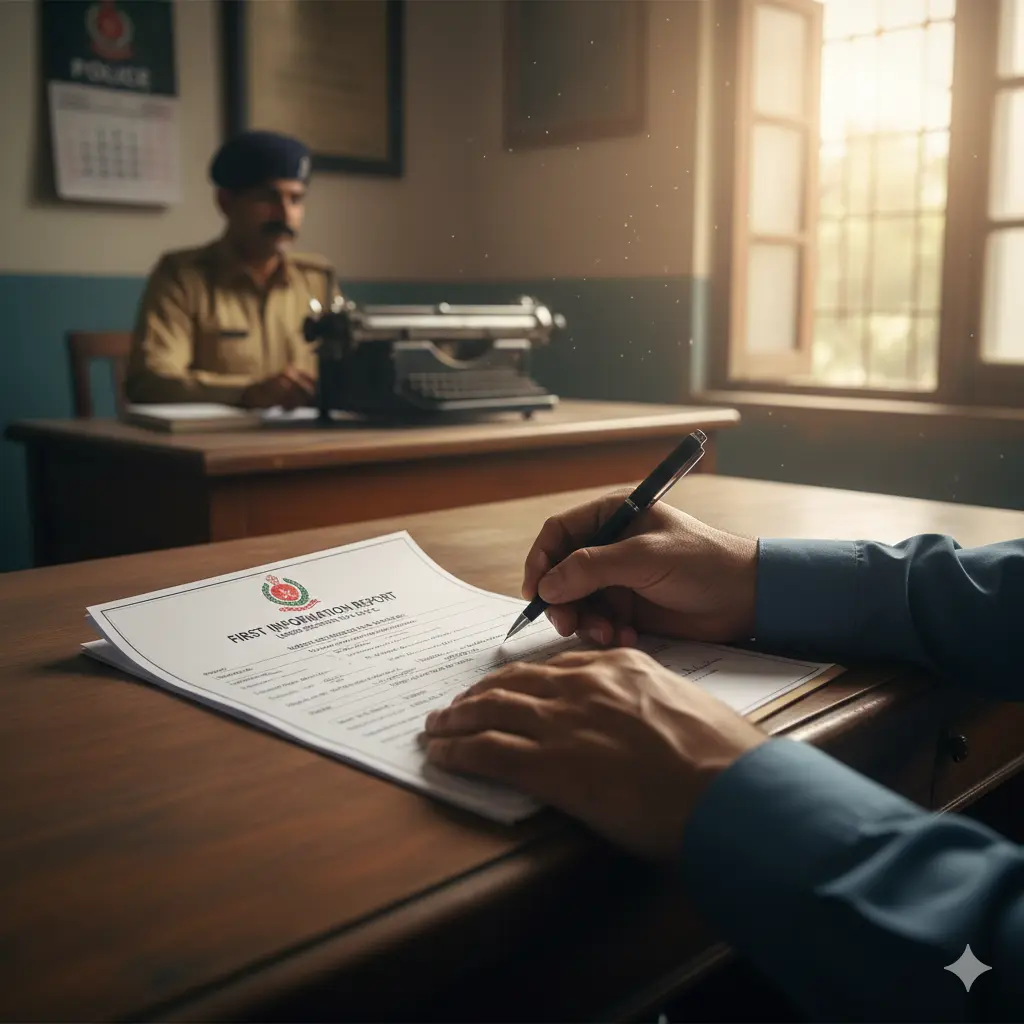
Filing a First Information Report (FIR) is the first step in the criminal justice process in Pakistan. When a crime is committed, the victim or a witness must file an FIR to officially inform the police of the offense. The FIR serves as the foundation for the investigation, and its accuracy and completeness are crucial for ensuring that justice is served. This guide will walk you through the process of filing an FIR in Pakistan, including the necessary steps, documents, and common mistakes to avoid.
What Is an FIR and Why Is It Important?
Definition of an FIR
An FIR is the formal record of a criminal offense reported to the police. It is the document that officially begins the criminal investigation process in Pakistan. The FIR contains details of the crime, including the type of offense, date, time, place of occurrence, and the identities of the involved parties. Once an FIR is filed, the police are legally obligated to investigate the matter.
Why Filing an FIR Matters:
- Legal Obligation: Filing an FIR is a legal requirement for initiating the criminal investigation process. Without it, the police cannot take action.
- Preservation of Evidence: The FIR documents the details of the crime while evidence is still fresh, which is essential for the investigation.
- Protection of Victims: The FIR provides legal protection for the victim, ensuring that their case is officially recorded and that they have access to legal support.
Filing an FIR is typically required for cognizable offenses. For non-cognizable offenses, a complaint may be lodged without the need for an FIR.
Step-by-Step Guide to Filing an FIR in Pakistan
Step 1: Determine the Type of Crime
Before filing an FIR, it’s important to identify the type of crime. Crimes can be broadly categorized as:
- Cognizable Offenses: Serious crimes such as theft, assault, rape, murder, etc. The police can arrest the accused without a warrant.
- Non-Cognizable Offenses: Lesser offenses such as defamation, small thefts, or verbal abuse. The police can only investigate these crimes after permission from a magistrate.
Step 2: Go to the Nearest Police Station
To file an FIR, you need to go to the nearest police station where the crime occurred. Bring any relevant documents and details to the police station, including:
- Your Identification (e.g., National Identity Card or passport).
- Details of the Incident: Information about the crime, including the date, time, and location.
- Details of the Accused (if known): Full name, address, and contact information of the person responsible for the crime.
- Any Supporting Evidence: Photographs, medical reports, or any physical evidence that supports your claim.
Step 3: Write the FIR
Once at the police station, you will be asked to provide a written statement of the crime, which will be included in the FIR. This statement should include:
- Personal Details: Your name, address, and contact information.
- Crime Details: A clear and concise description of what happened, when, and where.
- Accused Details: The name and address of the person(s) involved, if known.
- Witness Information: Names of any witnesses who can support your account of the incident.
- Evidence: Mention any evidence that supports the complaint, such as photographs, documents, or medical reports.
The police will record this information and write the FIR. Once completed, you will be provided with a copy of the FIR, which will include an official reference number for the case.
Step 4: Police Verification and Investigation
Once the FIR is filed, the police will initiate an investigation. The investigation may involve:
- Visiting the crime scene to collect evidence.
- Interrogating the accused (if known).
- Interviewing witnesses and gathering statements.
- Collecting forensic evidence, such as fingerprints or DNA samples.
If the police determine that there is enough evidence, they may proceed with further legal action, such as arresting the accused and filing charges in court.
Step 5: Follow-Up on the Case
After the FIR is filed, you should follow up with the police to track the progress of the investigation. The police are required to keep the complainant informed about any developments in the case, including arrests, charges, and court proceedings. If the police fail to take action, you can file a complaint with higher authorities, such as the District Police Officer (DPO) or the Magistrate.
Common Mistakes When Filing an FIR
Step 1: Not Providing Sufficient Information
One common mistake is not providing sufficient details when filing the FIR. The more information you provide, the easier it will be for the police to investigate the crime. Always provide:
- Accurate names and addresses.
- A clear description of the incident.
- Witness names and contact details, if possible.
Step 2: Not Filing the FIR Immediately
Filing the FIR as soon as the crime occurs is critical. Delaying the filing of the FIR can result in loss of evidence, making it difficult for the police to investigate the case. Timely reporting ensures that the details are recorded while the crime is fresh.
Step 3: Failing to Ask for a Copy of the FIR
Always ask for a copy of the FIR when it is registered. This document serves as an official record of the complaint and is important if you need to follow up with the police or pursue the matter in court.
Information Gain: The Role of FIR in Criminal Justice
The FIR is not just a formality; it serves as the foundation for the entire criminal justice process. It provides the police with the initial information needed to investigate the crime and file charges. It also plays a crucial role in court proceedings, as it is used to establish the timeline and facts of the case. Without an FIR, the legal system has no formal record of the crime, making it harder to pursue justice.
Myth vs. Reality: Can the Police Refuse to File an FIR?
Myth: The police can refuse to file an FIR if they don’t believe the crime occurred.
Reality: The police cannot refuse to file an FIR for cognizable offenses. If the police refuse to file the FIR, you have the right to approach a Magistrate who can order the police to register the FIR and investigate the case FIR in Pakistan.
Real-World Scenario: How Filing an FIR Led to Justice
In Karachi, a victim of robbery filed an FIR at the local police station after her house was broken into. The FIR included all relevant details, and the police quickly launched an investigation. With the help of CCTV footage, the police were able to track down the robbers and recover the stolen property. This case highlights the importance of filing a timely and accurate FIR in ensuring justice is served FIR in Pakistan.
FAQ Section:
- What is the first step in filing an FIR in Pakistan?
The first step is to visit the nearest police station and provide a detailed statement of the crime. - Can the police refuse to file an FIR?
The police cannot refuse to file an FIR for cognizable offenses. If they do, you can approach a Magistrate for a legal order. - How long does it take to file an FIR?
Filing an FIR can typically be done in 30 minutes to an hour depending on the complexity of the crime and the details provided. - Do I need a lawyer to file an FIR?
No, you do not need a lawyer to file an FIR. However, having a lawyer can help ensure that the FIR is properly written and that your rights are protected during the investigation. - What happens after an FIR is filed?
After an FIR is filed, the police will investigate the crime, which may involve collecting evidence, interviewing witnesses, and making arrests.
Conclusion
Filing an FIR is the first critical step in the criminal justice process in Pakistan. By providing accurate and detailed information, you help law enforcement investigate the crime and take appropriate action. Whether you are a victim of theft, assault, or any other criminal offense, knowing how to file an FIR ensures that your case is formally registered and can move forward in the legal system. If you face any difficulties during the process, don’t hesitate to seek legal advice to ensure that your rights are fully protected.
