


Introduction
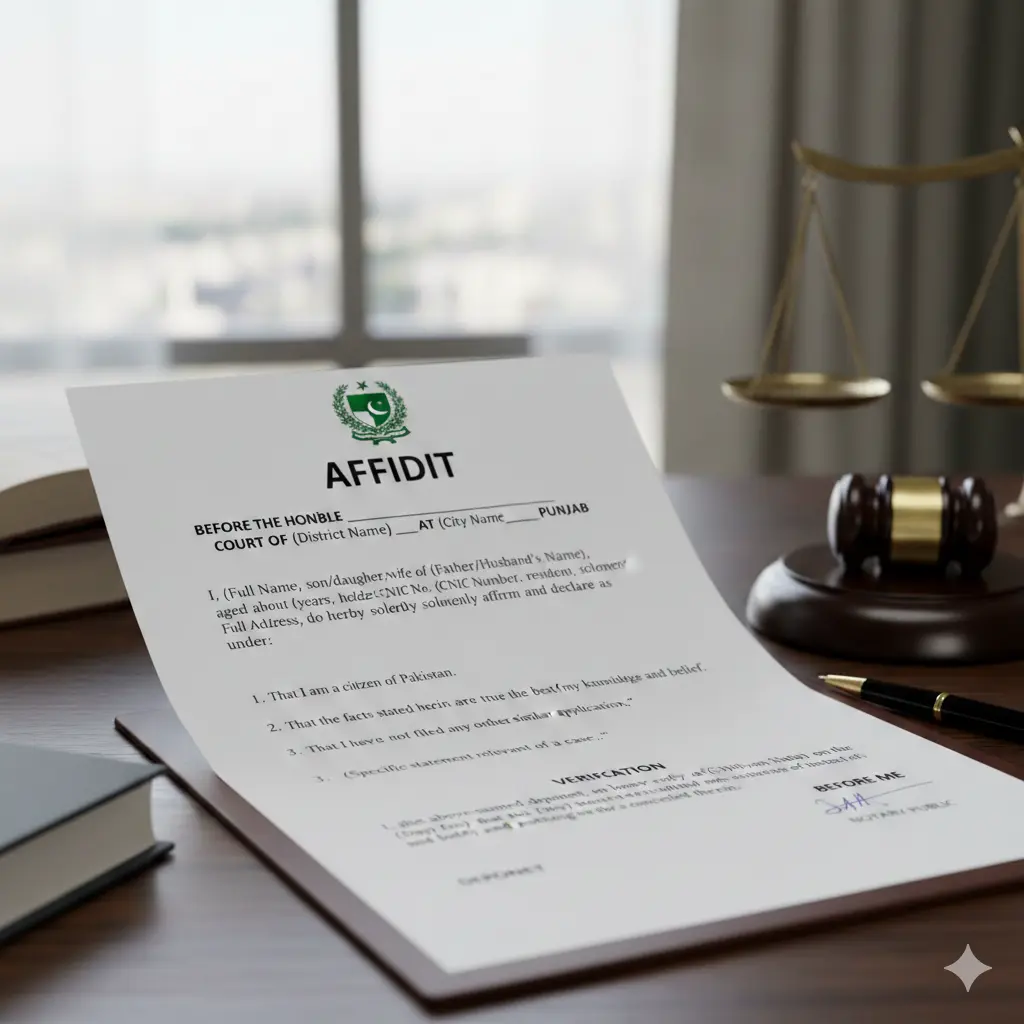
How to draft an affidavit in Pakistan is a common question for individuals involved in court proceedings, property transactions, immigration matters, or business agreements. Affidavits are powerful legal documents used across various legal processes in Pakistan. Understanding how to properly prepare one ensures it holds legal validity and avoids unnecessary delays.
Why You Need an Affidavit and When to Use It
What Is an Affidavit?
An affidavit is a legal document in which an individual (the deponent) swears to the truth of certain facts. It’s often used in situations where you need to prove a statement under oath but cannot appear in person, such as in court or to verify information for governmental processes.
Affidavits serve as a written statement that carries the same legal weight as verbal testimony. They are essential in cases involving:
Court Proceedings: Affidavits are used to present factual evidence or sworn testimony.
Property Transactions: Whether buying or selling property, affidavits are used to verify ownership and declare intentions.
Business and Personal Agreements: Businesses often require affidavits to back up contracts and declarations.
Common Use Cases:
Property Transactions: When transferring property ownership or verifying a sale agreement.
Immigration Procedures: For visa applications or citizenship confirmations.
Affirmations in Court: Serving as a written form of testimony for those unable to testify in person.
Practical Insight:
From experience, many people don’t realize that a small mistake in drafting an affidavit can cause delays, especially in property matters. A poorly drafted affidavit may result in your application being rejected by the court, wasting valuable time and resources.
Step-by-Step Guide to Drafting an Affidavit
Step 1: Title and Date
Start with a clear title that reflects the content of the affidavit, such as:
“Affidavit of [Name/Subject]”
“Affidavit of Facts”
“Affidavit of Ownership”
At the top of the document, always include the date you are drafting the affidavit, as this marks its legal validity.
Step 2: Personal Details
Include the full name, address, and identity card number (or relevant identification details) of the deponent (the person making the statement). These details authenticate the affidavit and make sure the information can be traced back to the individual responsible for it.
Step 3: Statement of Facts
The body of the affidavit is where you provide a clear and concise statement of facts. Avoid unnecessary information or opinions—just the facts. The details should be:
Factual: Based on evidence and verifiable information.
Clear: Avoid vague terms; every statement should be specific.
Relevant: Only include facts related to the matter at hand.
For example:
“I, [Name], hereby declare that I am the rightful owner of [Property Name/Address], and I have been in continuous possession of the property since [Date].”
Step 4: Declaration and Signature
After providing the statement of facts, include a declaration that the contents are true to the best of your knowledge:
“I declare under penalty of perjury that the foregoing statements are true and correct.”
Following this declaration, leave space for the signature of the deponent (you) and the notary public (or authorized officer). The notary’s signature and seal confirm the affidavit’s authenticity and legal standing.
Step 5: Notary Public and Witnesses
Finally, ensure that a notary public or authorized person signs the affidavit. Their presence confirms that the document was signed under oath. The notary will also provide a seal that signifies the affidavit is legally binding.
Common Mistakes When Drafting an Affidavit
Unclear or Vague Statements
Many people tend to use ambiguous language. This can make your affidavit appear unreliable and unprofessional in court.
Failure to Include Notary Details
Some forget to have the document notarized, which means it won’t be legally binding.
Missing Signatures
Always ensure that the notary and the deponent (you) sign the document.
Inaccurate Information
Avoid providing false or exaggerated information in the affidavit as it could lead to serious legal consequences.
Information Gain: The Hidden Legal Consequences of a Poorly Drafted Affidavit
What’s not covered in most guides is the legal consequence of submitting a poor affidavit. In Pakistan, a poorly written affidavit can be rejected by the court, which wastes valuable time and can delay legal proceedings. Often overlooked is the importance of including the right documents with your affidavit—for example, identification papers or additional supporting documents. Top-ranking pages often fail to emphasize that small details can lead to huge complications in complex legal cases.
Real-World Scenario: How an Incorrect Affidavit Led to a Legal Setback
In one case, a small business owner in Karachi failed to properly notarize their affidavit in a commercial dispute. Due to this mistake, their application was rejected by the court, delaying the case for several weeks. The delay led to higher legal fees and lost business opportunities, highlighting how critical it is to get your affidavit right from the start.
FAQ Section:
What is the purpose of an affidavit in Pakistan?
An affidavit serves as a sworn statement of fact used in various legal proceedings.
How do I notarize an affidavit?
A notary public must witness you signing the affidavit, ensuring its legality.
Can I create an affidavit on my own?
Yes, you can draft your affidavit, but it’s best to consult a legal professional for complex matters.
What happens if I make a mistake on an affidavit?
Mistakes could lead to the affidavit being rejected or cause delays in legal processes.
How long is an affidavit valid?
It remains valid as long as the facts stated remain accurate. It can be updated if new facts emerge.
Conclusion
Drafting a legal affidavit might seem overwhelming at first, but with the right steps and attention to detail, it’s a manageable process. By avoiding common mistakes, ensuring proper notary certification, and taking time to make clear, truthful statements, your affidavit will stand up to legal scrutiny. Follow the steps in this guide to protect your legal interests and avoid unnecessary delays.
