


Introduction
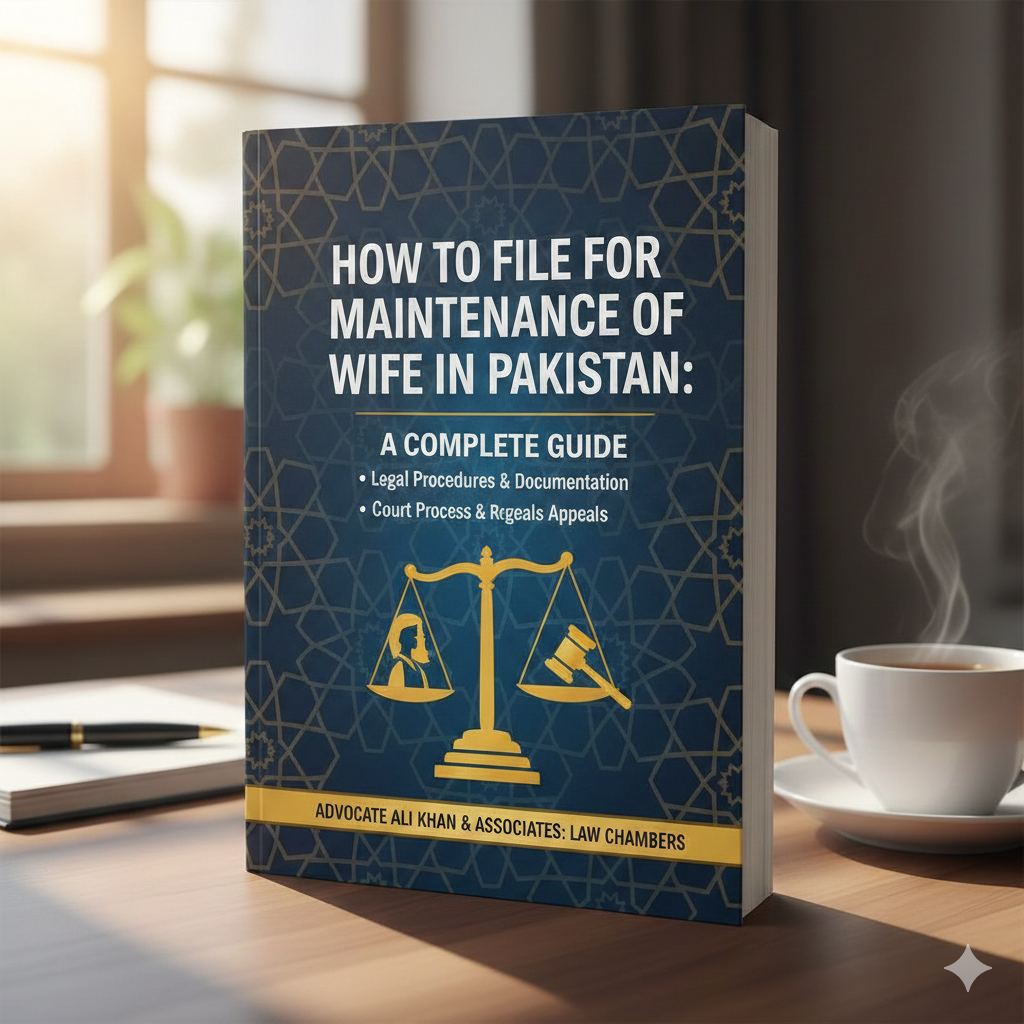
In Pakistan, the right to maintenance (also known as Alimony) for a wife is a legal entitlement under both Islamic law and the Family Law Ordinance of 1961. A wife can claim maintenance from her husband during the marriage and after divorce, provided certain conditions are met. Filing for maintenance of a wife involves understanding the legal process, the documentation required, and the factors the court considers. This guide will walk you through the steps involved in filing for maintenance of wife in Pakistan, the types of maintenance available, and common legal issues.
What is Maintenance and Why Is It Important? Child Support
Definition of Maintenance
Maintenance refers to the financial support that a husband is legally obliged to provide for his wife during their marriage and in cases of divorce. In Pakistan, maintenance includes all basic living expenses, such as food, clothing, shelter, medical care, and any other necessities.
Why Maintenance Matters:
Legal Protection for Wives: Maintenance ensures that wives are not left financially vulnerable, particularly in cases where they are unable to support themselves.
Economic Security: It provides the wife with a stable income to meet her daily needs and sustain herself post-divorce or during marital disputes.
Ensures Fairness in Divorce Proceedings: Maintenance is one of the primary financial settlements in divorce proceedings, ensuring a fair outcome for the wife.
Step-by-Step Guide to Filing for Maintenance of Wife in Pakistan
Step 1: Understand the Grounds for Filing for Maintenance
In order to file for maintenance, the wife must demonstrate that she is entitled to receive support from her husband. Common grounds include:
During Marriage: The wife has the right to maintenance if the husband refuses to provide for her.
After Divorce: Even after the marriage ends, the wife may be entitled to maintenance during the iddah (waiting period), and in some cases, for an extended period depending on her financial condition.
Step 2: Gather the Required Documents
The following documents are needed to file for maintenance:
Marriage Certificate (Nikah Nama)
Proof of Husband’s Financial Condition: Salary slips, business records, or bank statements.
Proof of Wife’s Needs: Receipts for expenses, medical bills, etc.
Proof of Inability to Maintain Herself: Evidence that the wife is unable to provide for herself.
Step 3: Draft the Maintenance Petition
The maintenance petition must be filed in the Family Court. The petition should include the following:
Personal Details of Both Parties: Full names, addresses, and contact information of the wife and husband.
Details of the Marriage: Date and place of marriage, including the Nikah Nama.
Grounds for Claiming Maintenance: Provide the reasons why the wife is entitled to maintenance, such as refusal by the husband to provide for her or inability to maintain herself after divorce.
Amount of Maintenance Requested: Specify the amount of monthly maintenance the wife is seeking.
Step 4: File the Petition in the Family Court
The petition should be filed with the Family Court, along with the required documents. The court will then issue a summons to the husband to respond to the petition. The husband will be required to appear in court for hearings.
Step 5: Attend Court Hearings
Once the petition is filed, the case will be heard in the Family Court. Both parties will have the opportunity to present their evidence and arguments. The wife can submit documents showing her financial needs, while the husband will be required to provide evidence of his ability to pay maintenance.
The court may also consider witness testimonies from family members or financial experts to assess the financial condition of both parties.
Step 6: Court’s Decision on Maintenance
After reviewing the evidence, the court will issue a decision on the amount of maintenance. The amount awarded will depend on various factors such as:
The husband’s income and financial condition.
The wife’s needs and ability to support herself.
The duration of the marriage.
The court may also provide an order for the maintenance of children (if applicable), along with the wife’s maintenance.
Common Mistakes When Filing for Maintenance
Step 1: Failing to Provide Sufficient Evidence
One of the most common mistakes is failing to provide clear and convincing evidence of the wife’s needs and the husband’s ability to pay. Without sufficient evidence, the court may not grant the petition or may offer a reduced amount.
Step 2: Not Seeking Maintenance During Iddah
Many women overlook their right to maintenance during the iddah period after divorce. The wife is entitled to maintenance during this period even if she is not living with her husband.
Step 3: Ignoring the Legal Process
Some individuals attempt to resolve maintenance issues through informal means without going to court. This can lead to unfair settlements and lack of legal enforcement.
Information Gain: The Role of Income and Financial Support in Maintenance Claims
A key element in maintenance cases is understanding the financial capacity of the husband. Often, the court will consider the husband’s income, including salary, business profits, or any other sources of revenue. Evidence of the husband’s financial condition must be presented in court to support the claim for maintenance. If the husband refuses to disclose his financial details, the court may order a forensic audit or investigation to determine his true income.
Myth vs. Reality: Can a Wife Be Denied Maintenance?
Myth: A wife can be denied maintenance if she is working.
Reality: In Pakistan, a wife is entitled to maintenance regardless of her employment status. Even if a wife is earning, the husband is still required to provide maintenance if she is unable to maintain herself. The amount of maintenance may be adjusted based on her income, but it cannot be entirely denied.
Real-World Scenario: How a Wife’s Legal Rights Were Secured for Maintenance
In Karachi, a woman filed for maintenance after her husband stopped providing financial support. She was a stay-at-home mother with no source of income. The court awarded her maintenance based on the husband’s salary, which included a reasonable amount to cover her living expenses and the children’s needs. The husband was ordered to pay a monthly maintenance amount, ensuring financial stability for the wife and children.
FAQ Section:
What is maintenance in a marriage?
Maintenance refers to the financial support a husband is obligated to provide to his wife during the marriage and after divorce, especially if she cannot maintain herself.
Can a wife claim maintenance after divorce?
Yes, a wife can claim maintenance during the iddah period after divorce and, in some cases, for a longer period if she is unable to support herself.
How is maintenance calculated in Pakistan?
The amount of maintenance is calculated based on the husband’s financial capacity and the wife’s needs. The court will consider income, living expenses, and other factors.
Can a wife refuse maintenance?
Yes, a wife can refuse maintenance if she is financially independent and can support herself, but this decision must be made consciously.
Can maintenance be increased?
Yes, maintenance amounts can be increased if the financial condition of the husband improves or if the wife’s financial needs change.
Conclusion
Filing for maintenance of a wife is a legal right in Pakistan, and the process can help ensure financial support for a wife who is unable to maintain herself. By understanding the legal requirements, presenting sufficient evidence, and following the proper legal procedures, you can secure fair maintenance for yourself or your loved one. If you’re facing challenges in your marriage or post-divorce situation, it’s crucial to seek legal advice to ensure that your rights are protected.
